In this article
Here's my take, and it runs against what most marketing people will tell you: the best growth question an HVAC owner can ask isn't "how do I get more leads?" It's "how many shown estimates can my team actually run well this week?" Answer that first and every buying decision after it gets easier. Skip it and you end up doing what a lot of shops do in June: paying for demand, then no-showing on your own customers because the calendar was fiction.
The common wisdom, and where it breaks
The common wisdom goes like this. Leads are the bottleneck. Buy more, book more, sell more. If the calendar gets crowded, that's a good problem.
It's a good problem for about a week. Then the cracks show. A comfort advisor with seven estimates on Tuesday runs late to the third, rushes the fifth, and never sends the proposal for the sixth because he was driving. The homeowner who was "thinking about it" gets no follow-up call and buys from whoever did call. Your close rate slides and you blame the leads.
The leads weren't the problem. You bought more opportunities than your week could hold, and the ones that spilled over didn't get sold, they got dropped. That's not a demand problem. It's a capacity problem wearing a demand costume.
Where the hours actually go
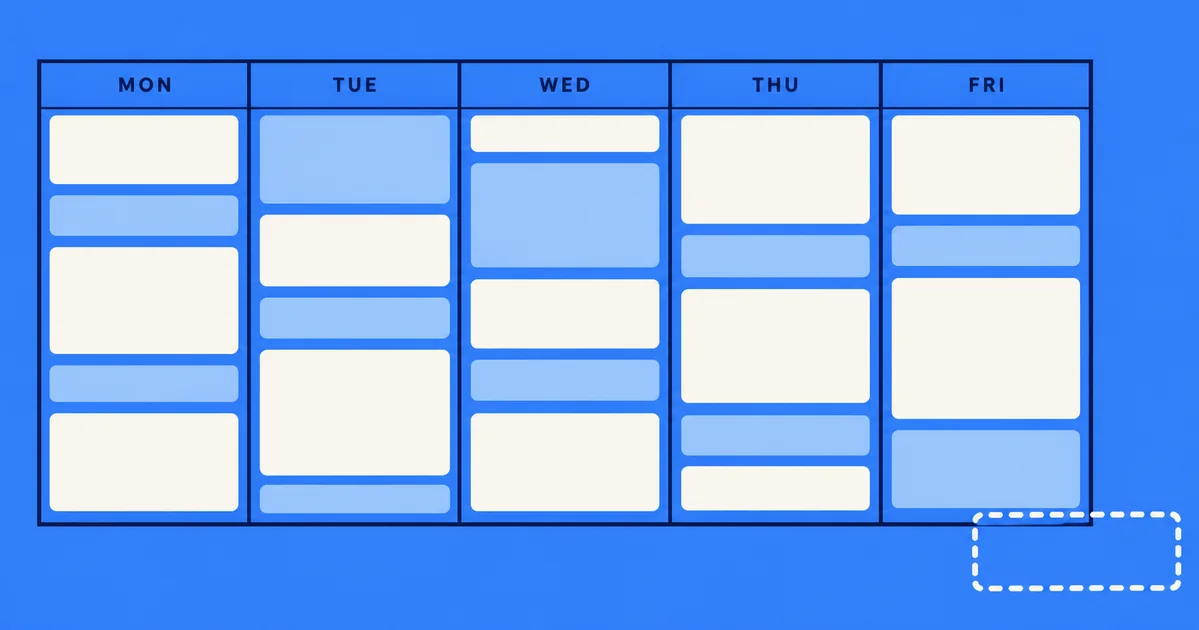
Most owners overestimate their HVAC appointment capacity because they count the hours an advisor is on the clock, not the hours he can sit at a kitchen table. Those are very different numbers. A full week has a lot of time in it. An estimate week doesn't.
Here's what eats the difference, and none of it shows up on a lead invoice:
Work already on the books. Follow-up visits, a second walkthrough for a big job, the estimate that got rescheduled from last week. It's real and it's already spoken for.
Proposals and follow-up. The estimate isn't done when the advisor leaves the driveway. Somebody writes the proposal, prices the options, and calls back. That's true for the estimates already run and for every new one you add this week, so budget the hours for both. Skip this and the appointment you paid for turns into a maybe that dies quietly.
Drive time. In a spread-out territory, thirty minutes each way is an hour of driving per visit. Two estimates on opposite sides of the county is a wasted afternoon. The example below uses a tighter territory, 30 minutes of total driving per visit; use whatever your map says.
Buffer. Traffic, the homeowner who's fifteen minutes late, the visit that runs long because the attic is a mess. Plan zero buffer and every delay cascades into the next slot.
I'm not telling you anything a good dispatcher doesn't already know. Dispatch software exists because this is hard; ServiceTitan's dispatch product, for one, is built around route planning, rescheduling, and controlling capacity by available hours. That's the industry admitting the calendar is a scarce resource. Treat it like one before you buy demand against it.
One week, on paper
Let's run one. Every number here is an example. Yours will be different, and that's the point of the worksheet below.
Say one comfort advisor has 24 hours this week he could give to in-home replacement estimates. Not 40. Some of his week is a sales meeting, a supply run, a training call, and the paperwork nobody likes. Twenty-four is what's eligible.
Now subtract what's already gone:
- 6 hours of visits already booked from last week's calls
- 3 hours to write proposals and make follow-up calls, covering both the estimates he's already run and the new ones he'll run this week
- 3 hours of buffer for late homeowners and long attics
That leaves 12 open hours for new estimates.
- Already booked
- 6 hrs
- Proposals and follow-up (existing + new)
- 3 hrs
- Buffer
- 3 hrs
- Open for new estimates
- 12 hrs
Each new visit costs him about 2 hours: 90 minutes on site and 30 minutes of total driving for that visit. Twelve hours divided by two hours is 6 new estimate slots this week. Six. Not twelve, not "as many as you can send."
Three things to notice. First, 6 slots is a target, not a delivery number. Nobody can promise six homeowners will book and show in a given week. It's how many you can handle if they do. Second, the drive time is counted once, inside the per-visit two hours, and the buffer is separate. Don't count travel twice, and don't skip it either. Third, round down. Eleven open hours at two hours a visit is five slots, not five and a half. And if the subtraction leaves you with no open hours, the honest answer is zero new slots this week, which is worth knowing before you buy anything.
Your capacity is the open hours divided by what a real visit costs. Everything you buy above that number is money spent on estimates you won't run well.
Selling capacity is not installing capacity
One more distinction, because it bites people. The math above is sales capacity: how many homeowners your advisor can sit down with. Installation capacity is a different number: how many systems your crews can hang. Selling twelve jobs in a week you can install six of just moves the bottleneck to the shop floor and pushes install dates out to where homeowners start cancelling. When you set an estimate target, check it against install lead time too. If installs are three weeks out, more estimates this week may not be the move.
Now the worksheet
Do this once with real numbers before you talk to any appointment provider, including us. Five lines.
Whole slots only; a half slot is a rushed estimate. If you have two advisors, run it twice and add. If your territory is spread out, your hours per visit goes up and your slots go down. If you're in a season where half the calls are repairs, your eligible hours drop. The worksheet doesn't care about your ambition. It cares about your calendar.
Bring the number, not the wish
Here's the prescription. When you talk to a provider about appointments, ours or anyone's, don't say "send me as many as you can." Say "I can run six a week in this service area, Tuesday through Saturday, and I want them confirmed the day before." That sentence changes the conversation. Now you're agreeing on a flow that fits, a territory you can actually drive, and how the pace gets adjusted when your calendar changes.
That's how we set up an account: volume is sized on the call, not promised in a pitch, and we agree on the service area and how to raise or lower the pace as your calendar moves. A shown appointment is the unit we sell. Your slot count is the unit you buy. When those two numbers match, the estimates get run properly, the proposals go out, and the follow-up calls happen. That's where close rates come from.
For what a shown appointment costs and how the bill works, the Real Math piece has the money and the no-show policy piece has what happens when a homeowner isn't home. If you've run the worksheet and have a weekly number, book a 15-minute growth call and bring it. We'll size the flow to your calendar, not the other way around.
Sources and notes
The 24-hour example and all figures in it are illustrative inputs, not measured client data or a recommended standard. Dispatch software's capacity and routing functions: ServiceTitan, Dispatch Software, read September 7, 2026; cited for what the tools do, not for any performance claim. Local Leap Media's account setup (volume sized on the call, service area, notice terms) describes the current offer as of September 7, 2026: localleapmedia.com/#faq.